What does rehabilitation benefits mean in the legal space?

In legal terms, rehabilitation benefits refer to the support and services provided to help individuals recover from an injury or illness, especially when it has impacted their ability to work. The Munley Law Glossary provides comprehensive explanations of legal terminology, including rehabilitation benefits, helping people understand their rights and entitlements under the law. In the context of workers’ compensation, personal injury, and disability claims, rehabilitation benefits are crucial for helping injured parties return to their previous level of functioning or adapt to new circumstances.

Understanding Rehabilitation Benefits

Rehabilitation benefits aim to facilitate the recovery and reintegration of individuals who have suffered an injury or illness, particularly in a work-related context. These benefits cover a range of services, from medical rehabilitation aimed at restoring physical health to vocational rehabilitation designed to assist in returning to employment. The primary goal is to support the injured party in achieving the maximum possible recovery and minimizing the long-term impact of the injury or illness on their life.

Types of Rehabilitation Benefits

Rehabilitation benefits generally fall into two main categories: medical rehabilitation and vocational rehabilitation. Each type addresses different aspects of recovery, depending on the individual’s needs and the nature of their injury.

Medical Rehabilitation: This type of benefit focuses on restoring the individual’s physical or mental health through medical treatment. It may include:

  • Physical Therapy: To regain strength, mobility, and function.
  • Occupational Therapy: To help the person adapt to daily activities and restore independence.
  • Psychological Counseling: To support mental health recovery, especially if the injury or illness has caused emotional distress or trauma.
  • Specialized Treatments: Such as chiropractic care, speech therapy, or other medical interventions that aid in the recovery process.

Vocational Rehabilitation: This type of benefit assists individuals in returning to work or finding new employment opportunities if they cannot perform their previous job duties. Vocational rehabilitation may involve:

  • Job Training or Retraining: To acquire new skills that are compatible with the individual’s current abilities.
  • Education Programs: For learning a new profession or trade.
  • Workplace Modifications: To accommodate the individual’s limitations, such as ergonomic adjustments or special equipment.
  • Job Placement Assistance: Helping the injured worker find suitable employment, considering their skills, limitations, and the local job market.

The combination of medical and vocational rehabilitation benefits can significantly improve an individual’s quality of life after an injury, making it possible for them to regain independence and contribute productively to society.

Rehabilitation Benefits in Workers’ Compensation Cases

In the realm of workers’ compensation, rehabilitation benefits play a vital role. When an employee is injured on the job, workers’ compensation laws typically mandate that the employer or insurance company provide rehabilitation benefits as part of the compensation package. These benefits aim to help the injured employee recover and return to work as soon as possible.

The process often starts with an assessment of the individual’s medical condition and work capabilities. A rehabilitation plan is then developed, outlining the necessary medical treatments and vocational training programs to facilitate the employee’s return to work. If the injury prevents the employee from returning to their previous position, vocational rehabilitation may include job placement services or retraining for a different career path.

Rehabilitation Benefits in Personal Injury Cases

In personal injury cases, such as car accidents, slip and fall incidents, or medical malpractice claims, rehabilitation benefits may be included in the compensation awarded to the injured party. The goal is to cover the costs associated with the recovery process, ensuring that the injured person receives adequate support to restore their physical and mental well-being.

The compensation for rehabilitation benefits in personal injury cases may be determined by the severity of the injury, the anticipated length of the recovery period, and the type of rehabilitation services required. Courts may also consider the individual’s pre-injury lifestyle and work capabilities when awarding compensation for rehabilitation.

The Legal Importance of Rehabilitation Benefits

Rehabilitation benefits are legally significant because they recognize the need for comprehensive support in the aftermath of an injury or illness. By providing financial assistance for medical treatments and vocational training, these benefits help to ensure that injured individuals can recover as fully as possible. The inclusion of rehabilitation benefits in compensation claims also reflects society’s broader commitment to the rights and well-being of injured workers and accident victims.

Legal disputes related to rehabilitation benefits may arise when there is a disagreement over the extent or type of rehabilitation services required. For example, an employer or insurance company may contest the necessity of certain treatments or argue that the injured party is capable of returning to work without additional vocational training. In such cases, the court may need to assess medical evidence and expert testimony to determine the appropriate level of benefits.

Factors That Influence Rehabilitation Benefits

Several factors can influence the scope and amount of rehabilitation benefits an injured person is entitled to receive:

  • Severity of the Injury: More serious injuries generally require longer and more intensive rehabilitation, leading to higher costs.
  • Medical Recommendations: The type of rehabilitation prescribed by healthcare providers will guide what benefits are considered reasonable and necessary.
  • State Laws: Workers’ compensation and personal injury laws vary by state, affecting how rehabilitation benefits are determined and awarded.
  • Pre-existing Conditions: If the injured person had a pre-existing condition, the rehabilitation benefits may be adjusted to account for how much the current injury has aggravated that condition.

Rehabilitation benefits play a crucial role in the legal space by providing injured individuals with the support needed for recovery and reintegration into the workforce. The Munley Law Glossary helps to clarify such legal terms, making it easier for individuals to understand their rights when pursuing compensation. Whether it involves medical treatments, job training, or vocational support, rehabilitation benefits ensure that injured parties receive comprehensive assistance to restore their health and livelihood. Understanding these benefits is essential for navigating workers’ compensation, personal injury, and other legal claims effectively.

The Rise of Car Transport Companies
Vehicle Transport Specialist

In an era where mobility reigns supreme, the need for efficient and reliable car transport services has become increasingly vital. Whether it’s moving vehicles across state lines or ensuring the safe delivery of a prized automobile, car transport companies play a pivotal role in the automotive ecosystem. Let’s delve into the world of car transport companies, exploring their significance, services, and the factors contributing to their success.

The Significance of Car Transport Companies

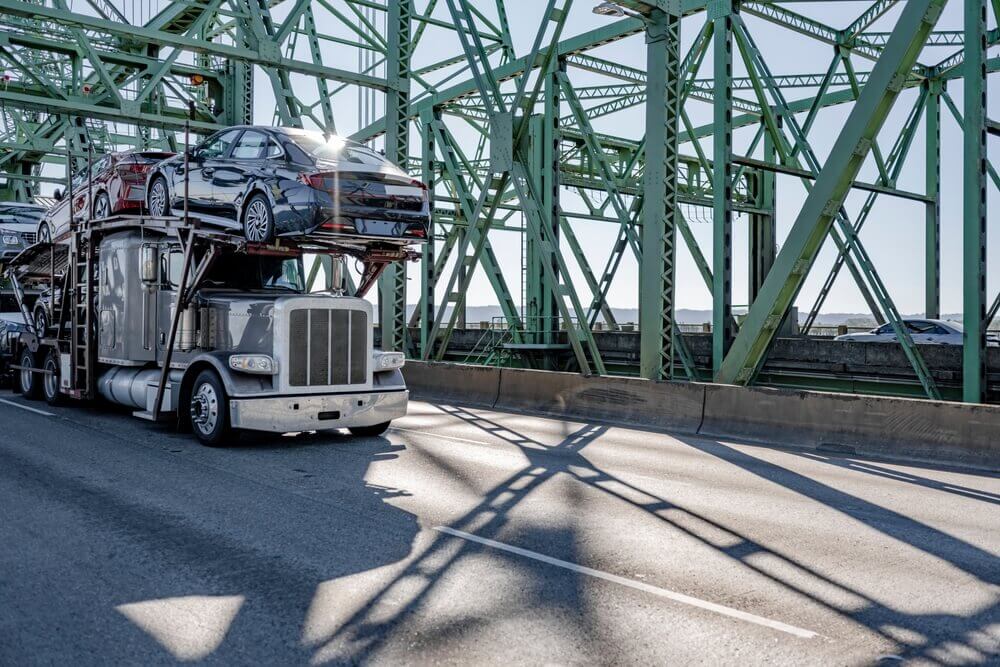
Car transport companies serve as the logistical backbone of the automotive industry, facilitating the movement of vehicles from manufacturers to dealerships, and from sellers to buyers. They cater to diverse clientele, including individuals relocating, collectors transporting classic cars, businesses moving fleets, and dealerships restocking inventory.

These companies offer a range of services tailored to meet specific needs. From open-air transport for standard vehicles to enclosed trailers for luxury and vintage cars, they ensure the safe and timely delivery of automobiles across various distances. https://www.way.com/blog/moving-a-car-to-another-state/

Services Offered by Car Transport Companies

Enclosed Transport: Ideal for high-value vehicles, enclosed transport provides protection against external elements such as weather, debris, and road hazards. It offers peace of mind to owners of luxury, exotic, and classic cars, ensuring their prized possessions arrive in pristine condition.

Open-Air Transport: Cost-effective and efficient, open-air transport is the most common method used for shipping vehicles. Cars are loaded onto an open trailer, exposed to the elements during transit. While this method may not provide the same level of protection as enclosed transport, it remains a popular choice for standard vehicles.

Door-to-Door Delivery: Car transport companies offer the convenience of door-to-door delivery, where vehicles are picked up from the customer’s location and delivered directly to the desired destination. This eliminates the hassle of coordinating transportation to and from terminals, providing a seamless experience for clients.

Terminal-to-Terminal Shipping: For those seeking a more economical option, terminal-to-terminal shipping allows customers to drop off and pick up their vehicles at designated terminals. While it may require additional coordination on the part of the customer, it offers cost savings compared to door-to-door delivery.

Expedited Shipping: In situations where time is of the essence, car transport companies offer expedited shipping services to ensure prompt delivery of vehicles. This option comes at a premium but provides the convenience of faster transit times for urgent shipments.

Factors Contributing to Success

Reliability and Reputation: Trust is paramount in the car transport industry. Successful companies build a reputation for reliability by delivering vehicles safely and on time, earning the trust and loyalty of their customers.

Quality of Service: Exceptional customer service sets top car transport companies apart. From transparent pricing and clear communication to attentive support throughout the shipping process, providing a superior experience is key to retaining satisfied customers.

State-of-the-Art Equipment: Investing in modern equipment and technology allows car transport companies to ensure the safety and security of the vehicles they transport. From specialized trailers with advanced securing mechanisms to GPS tracking systems that provide real-time updates, cutting-edge infrastructure enhances efficiency and peace of mind for both customers and carriers.

Compliance and Insurance: Compliance with industry regulations and comprehensive insurance coverage are non-negotiable aspects of success in the car transport business. Adhering to safety standards and maintaining proper licensure instills confidence in customers and mitigates risks for all parties involved.

Conclusion

In an interconnected world where the movement of goods is essential, car transport companies play a vital role in ensuring the seamless transportation of vehicles. By offering a range of services tailored to diverse needs, maintaining a reputation for reliability and quality, and embracing innovation, these companies continue to navigate the road to success. As the automotive industry evolves, the importance of car transport companies in facilitating mobility and driving customer satisfaction remains unwavering.

Automotive Logistics Provider